

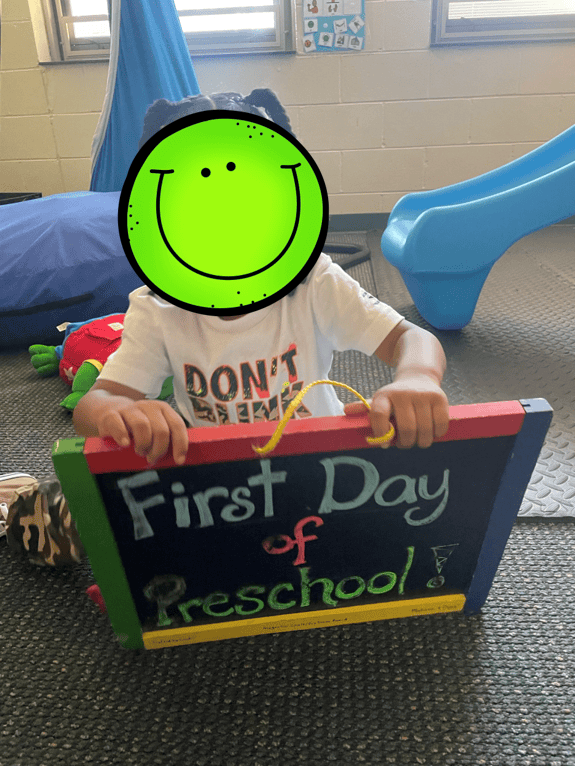
Why Every Child in My Classroom Starts the Year with a Sensory Profile
The first few weeks of school are filled with paperwork.
Emergency contacts.
Transportation plans.
Medical information Photo Releases
IEPs
But there is one form that I anticipate reading more than all the others!
MyStudent’s Sensory Profile.
As a preschool special education teacher, I know that learning doesn’t begin with letters, numbers, or even circle time. Learning begins with understanding the child. One of the best ways I can do that is by asking families how their child experiences the world.
Every Child Experiences the World Differently
Some children crave movement.
Others avoid loud sounds.
Some seek tight hugs and deep pressure.
Others would rather wave hello than be touched.
Some love bright colors and busy classrooms.
Others feel more comfortable in calm, simple environments.
None of these preferences are “good” or “bad.”
They’re simply part of who that child is.
That’s why the very first thing I ask families is never, “What behaviors should I expect?”
Instead, I ask, “What does your child enjoy?” These answers tell me so much more.
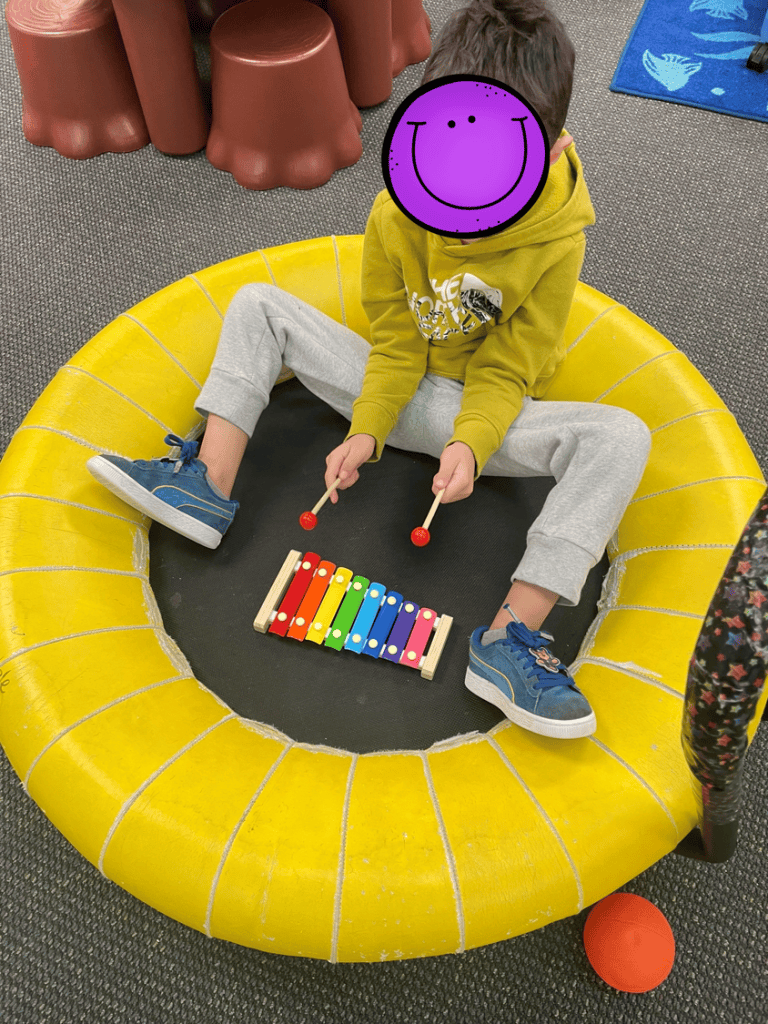
Families Know Their Child Best
Parents have spent years learning what helps their child thrive.
They know:
- which foods they’ll happily eat
- what sounds they cover their ears for
- whether they seek movement or avoid it
- if they love climbing, swinging, or spinning
- whether they notice when they’re hungry or need the bathroom
- what smells they seek out or avoid
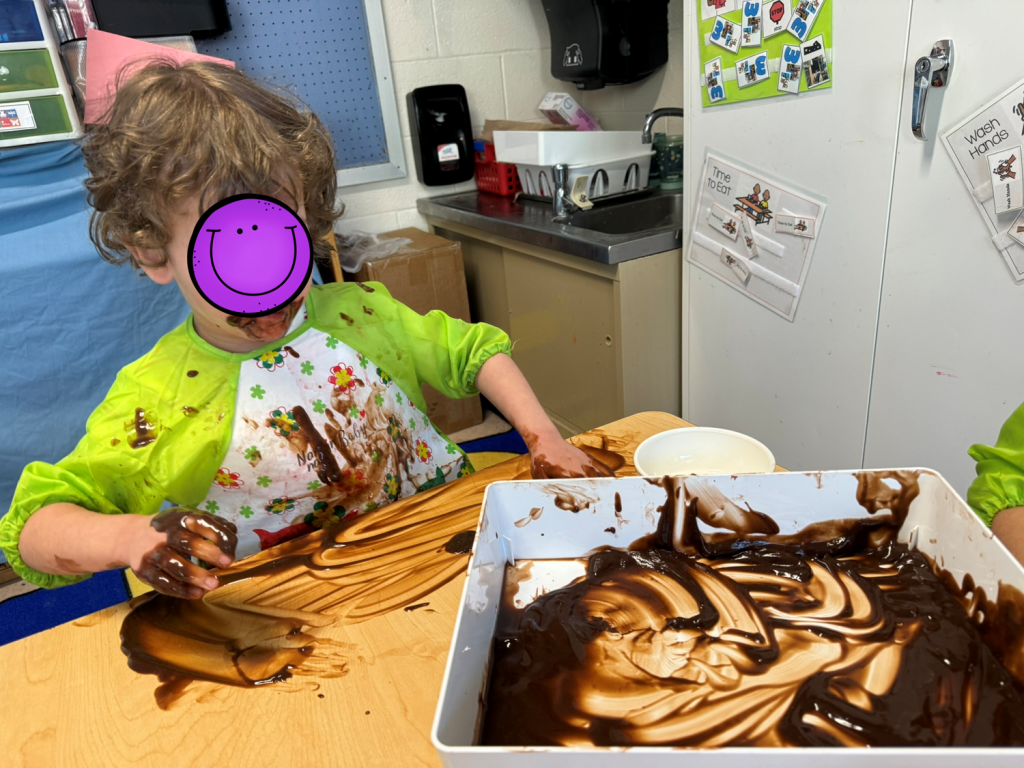
- if they love messy play—or would rather keep their hands clean
These little pieces of information become incredibly valuable as I begin planning our classroom. No other evaluation can replace what families know. The information they can provide is priceless. Not to mention, this begins building the trust and partnership with student’s families right away!
The Sensory Profile Looks Beyond the Five Senses
Many people think about sensory processing as just touch, taste, smell, sight, and hearing.
Those are certainly important, but they’re only part of the picture.
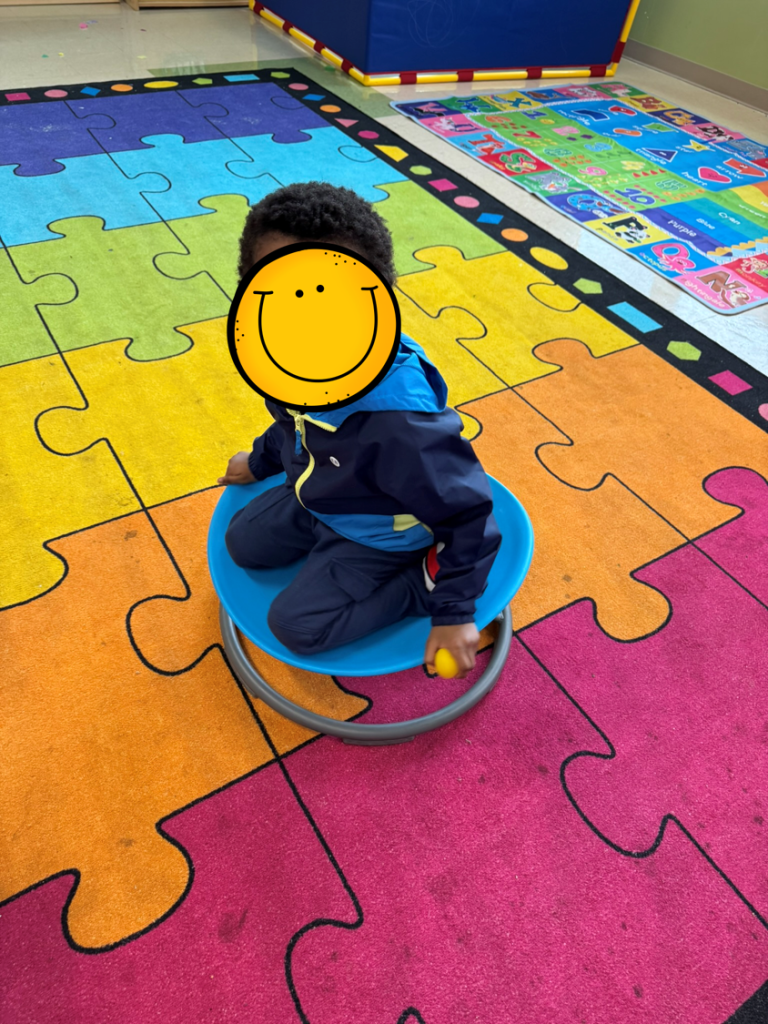
My sensory profile also includes three body senses that are just as important.
Vestibular (Balance & Movement)
Does your child love swinging?
Do they spin constantly?
Avoid climbing?
Feel nervous on uneven surfaces?
These answers help me understand how they process movement.
Proprioception (Body Awareness)
Does your child enjoy crashing into pillows?
Jumping?
Heavy work?
Deep pressure?
Do they seek squeezes or constantly wiggle?
These preferences tell me how they receive information about where their body is in space and often give me ideas for regulation supports throughout the day.
Interception (Understanding Body Signals)
Can your child tell when they’re hungry?
Do they notice when they need the bathroom?
Can they recognize what their body is feeling?
Interoception helps us understand the body’s internal signals, and many young children are still learning to recognize them.
Knowing where a child is on that journey helps me know how to support them.
Regulation Before Learning
A child whose sensory needs are supported is better able to engage, connect, communicate, and learn.
That doesn’t mean children have to be perfectly calm.
In fact, regulation looks different for every person.
Some children regulate through movement.
Some through humming.
Some by rocking.
Some by taking breaks.
The goal isn’t quiet bodies.
The goal is helping each child discover what helps their body feel safe and ready to participate.

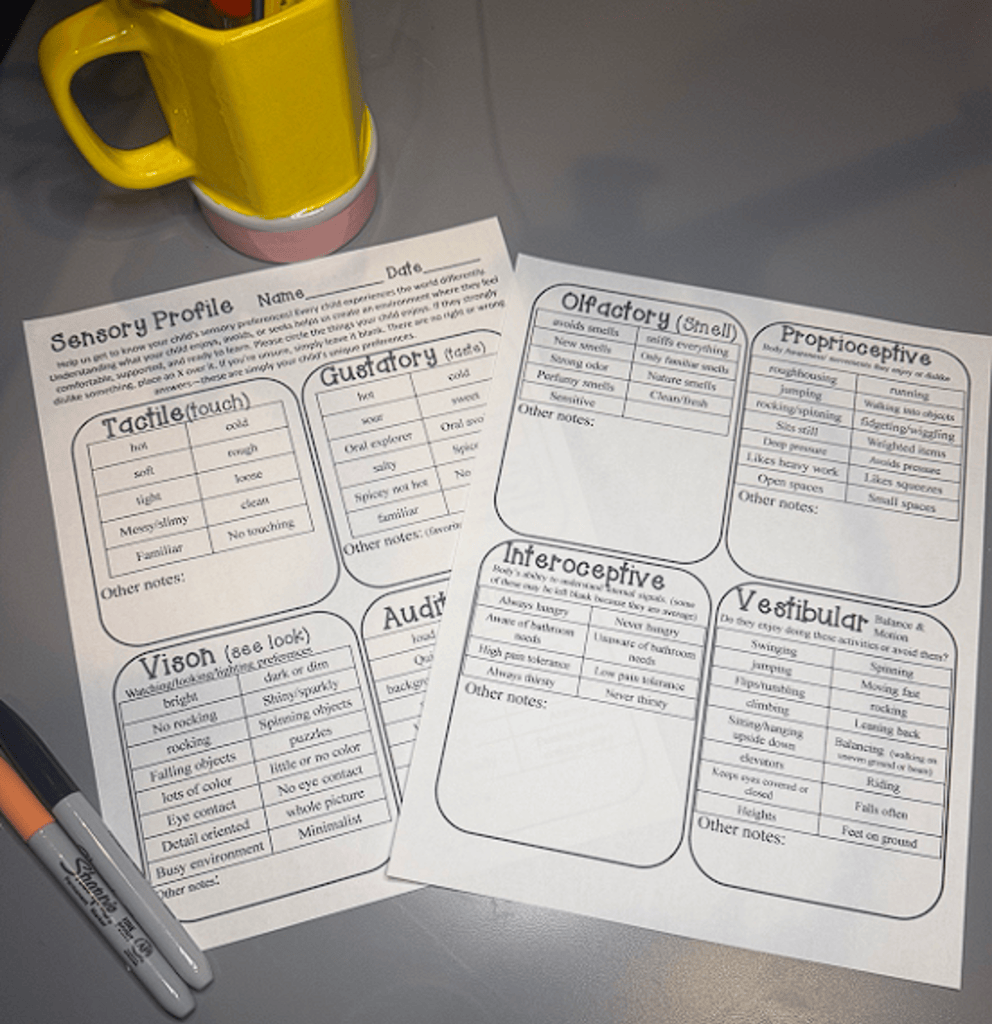
Click Here and Grab Your Free Sensory Profile
If you’d like to better understand the children in your classroom, I’d love to share the same sensory profile I send home to every family at the beginning of the school year.
It includes questions about:
- •Touch
- •Taste
- •Sight
- •Hearing
- •Smell
- •Vestibular input
- •Proprioception Interoception
Knowing where a child is on that journey helps me know how to support them.
There are no scores and no labels—just meaningful conversations that help teachers and families better understand each child from the very first day. This profile doesn’t just help me plan a classroom that supports my students’ sensory needs. It also starts conversations with families, helping them notice things they may not have thought about before. Those conversations can become the first step in helping children recognize what their own bodies need, learn strategies that work for them, and eventually develop the confidence to advocate for themselves.
When we understand a child’s sensory world, we can create learning environments where they don’t just succeed…
They belong.
Leave a Reply